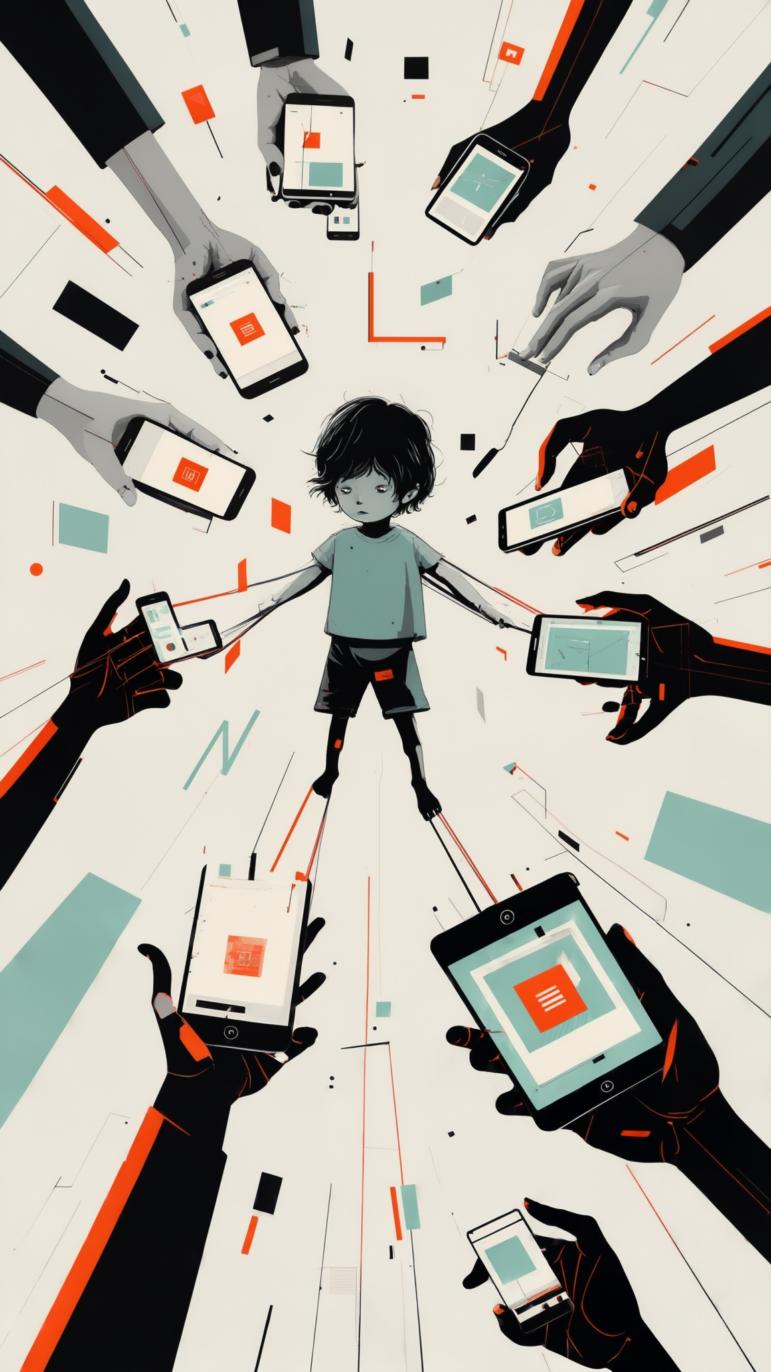
In 2026, digital threats targeting children have reached alarming levels. Cyber Sqool reveals the real dangers — deepfakes, grooming, AI — and how to effectively protect your children.
In 2026, digital threats targeting children have reached an alarming level. The best protection is education — not fear, not total censorship.
This Number Should Alarm You
In 2025, 1 in 3 children connected to the internet experienced some form of cyberbullying, manipulation, or exposure to inappropriate content. In 2026, that number keeps rising — and the methods of digital predators become more sophisticated, more invisible, and more dangerous every year.
While you read this article, thousands of children in Morocco and around the world are opening apps, joining groups, accepting friend requests from strangers — without knowing what awaits them on the other side of the screen.
At Cyber Sqool, we hold a deep conviction: the best protection is education. Not fear. Not total censorship. Education.
1. The New Threats of 2026
The Rise of Deepfakes Targeting Minors
Since late 2025, reports of deepfake images involving minors have exploded. Innocent photos taken from children's public profiles on Instagram or TikTok are used to generate compromising content — then to blackmail the child — a phenomenon experts call AI-powered sextortion. Victims are between 10 and 16 years old in the majority of reported cases. Many don't tell their parents out of shame or fear.
Fake Coaches and Influencers on Social Networks
Adults are creating young influencer personas to progressively earn children's trust. This process — called digital grooming — can last weeks or even months. The child thinks they've found a friend. In reality, they've found a predator.
Conversational AI: A Dangerous Gateway
Freely accessible chatbots allow malicious individuals to create characters that seduce children, mimic teenage communication, build emotional bonds, and can steer conversations toward very dangerous territory. Cyber Sqool has been warning about this specific risk since 2024.
2. The Platforms Your Children Use
| Platform | % of minors | Legal age | Parental controls |
|---|---|---|---|
| TikTok | 78% | 13 | Limited |
| Discord | 61% | 13 | Very limited |
| Roblox | 54% | All ages | Moderate |
| Snapchat | 49% | 13 | Weak |
| Telegram | 43% | Undefined | Near nonexistent |
Most Moroccan children under 13 are present on at least 3 of these platforms — often without their parents' knowledge.
3. Why Banning Internet Does Not Work
Research is unanimous: prohibition without explanation does not protect children — it isolates them. A child banned from the internet without understanding why will find workarounds — and crucially, never learns to defend themselves.
Cyber Sqool's approach is radically different: empower the child. Give them the vocabulary, reflexes, and confidence needed to identify danger and know how to respond.
4. Warning Signs: Is Your Child at Risk?
Device behavior:
- They turn off or hide their screen when you approach
- They use their phone very late at night
- They have hidden apps or accounts you do not know about
- They receive gifts or money from online friends
Behavioral changes:
- They suddenly become withdrawn, anxious, or depressed
- They get nervous when they cannot access their phone
- They avoid school or their usual friends
- They have nightmares or unexplained sleep disorders
Children who are victims of digital violence wait an average of 6 months before telling an adult. In 40% of cases, they never tell anyone.
5. What Schools Must Do in 2026
Schools can no longer rely on an internet use charter signed at the start of the year. In 2026, children's cybersecurity is an institutional responsibility.
A progressive, age-appropriate curriculum:
- Ages 6-9: Never share address, school, or photos with strangers online
- Ages 10-12: Recognize manipulation, grooming, and fake profiles
- Ages 13-16: Understand sextortion, cyberbullying, and legal responsibility
Cyber Sqool offers ready-to-use modules adapted to each level — designed by cybersecurity and digital education experts.
6. The Practical Guide: 10 Actions for Parents Today
- Talk to your child tonight — without judgment
- Review the privacy settings on all their accounts, together
- Install age-appropriate parental controls (Google Family Link, Apple Screen Time)
- No devices in the bedroom after 9 PM, no accepting strangers without telling an adult first
- Teach them: everything sent online can become public forever
- Stay updated on the apps they use — features change constantly
- Ask them to show you their favorite apps — with genuine curiosity
- Create a code word they can use to signal discomfort
- Talk about the right to say no — even to an online friend
- Trust your instincts: if something seems off in their behavior, ask questions
What Cyber Sqool Does Differently
Since our founding, Cyber Sqool has operated on a simple principle: children deserve quality digital education, not a list of prohibitions. We work directly with schools, parent associations, and institutions to deploy concrete, measurable awareness programs adapted to the Moroccan context.
Contact us. Because we cannot afford to wait.
FAQ
At what age should you start talking about cybersecurity with your child?
From age 6, using age-appropriate language. The earlier a child develops good digital reflexes, the better protected they are.
My child is being cyberbullied. What should I do immediately?
Preserve evidence (screenshots), report on the relevant platform, and contact the appropriate authorities. Do not delete anything before documenting it.
Does Cyber Sqool have programs for schools in Morocco?
Yes. Contact us through our website to discuss a partnership tailored to your school.
How can I tell if my child is a victim of grooming?
Watch for behavioral changes: withdrawal, anxiety, secrecy around their phone, unknown adult contacts. Trust your parental instincts.